Pertumbuhan dan Kelulushidupan Benih Ikan Nila (Oreochromis niloticus) yang Dipelihara dalam Sistem RAS dengan Filter Berbeda
DOI:
https://doi.org/10.36706/jari.v13i2.80Keywords:
Filtration, Growth, Nile Tilapia, Recirculation Aquaculture Sistem (RAS), Survival RateAbstract
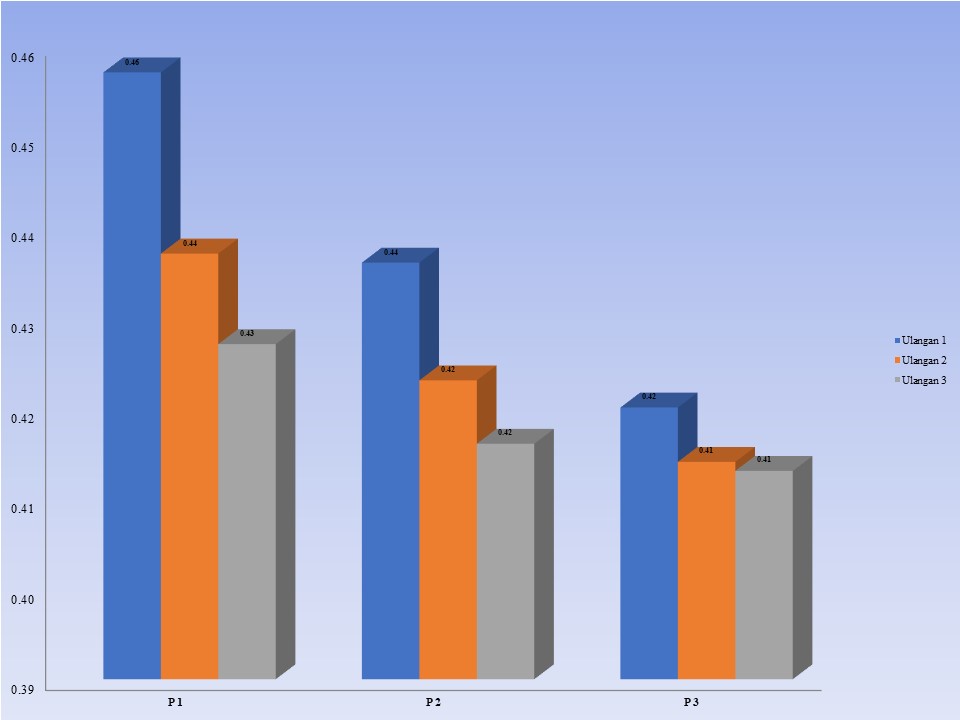
Nile tilapia (Oreochromis niloticus) is one of the fishery commodities that has developed over time and has a high economic value. The success of aquaculture is closely related to optimal environmental conditions for the survival and growth of the cultivated fish. In a closed system, fish produce waste from metabolic processes that can gradually reach toxic levels. The aim of this study is to reduce the consumption of freshwater and minimize the environmental impact of the waste produced. The research was conducted from May 1 to June 30, 2025, at the Aquaculture Laboratory of the Faculty of Agriculture Indragiri Islamic University. The study employed an experimental method using a completely randomized design consisting of three treatments and three replications. The treatments included using gravel and sand filter materials covered with gauze, using dacron cotton, and not using a filter as a control. Nile tilapia fry were each placed in aquariums measuring 3-4 cm at a density of 15 fish. The parameters analyzed included growth, survival rate, and water quality. The research results indicate that the aquaculture recirculation system provides the best outcomes for the growth and survival of nile tilapia fry. The treatment using gravel and sand resulted in an absolute weight growth of 0.440±0.02 g, an absolute length of 0.95±2.22 cm, and a survival rate of 100±0.00%. The water quality parameters for the treatment using gravel and sand showed favorable conditions with a temperature of 26 ºC, pH of 7.4, dissolved oxygen level of 5.26 ppm, and ammonia concentration of 0.6 ppm. These water quality indicators suggest that the water conditions are normal and support the health of nile tilapia fry.